
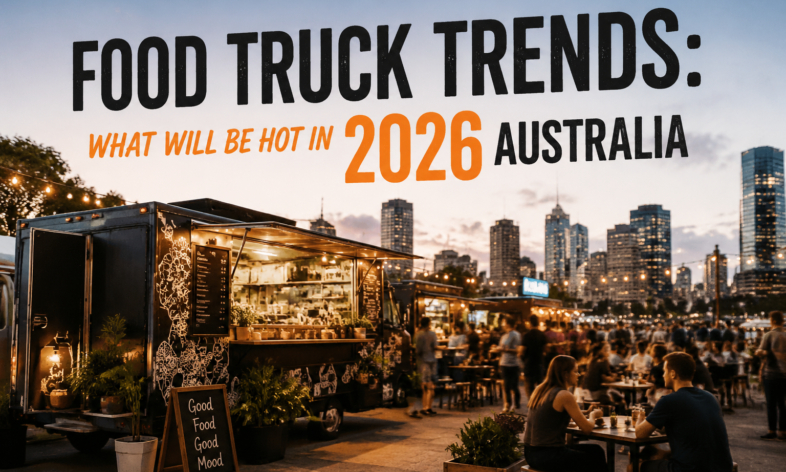
In 2026, the Australian food truck sector is evolving at a rapid rate and it has integrated creativity, culture, and the consumer desire to have fresh, unique, and convenient food. Food trucks used to be considered as a niche street food movement, but today they are mainstream mobile food courts which are included in festivals, business districts, and suburbs. The trends, consumer preferences, and innovative strategies that affect the Australian food truck industry this year are discussed in this paper.
Why Food Trucks are Doing Well in Australia
The Australian food truck culture is thriving as it is well integrated in urban living. Australians are more and more fond of quick, good food that does not require waiting as in full-service restaurants. Food trucks are a ubiquitous part of events, markets, and festivals, providing both convenience and distinct culinary experiences. In addition to convenience, Australians are interested in bold, adventurous flavours, and food trucks offer them a chance to enjoy fusion cuisines that unite multiple culinary traditions. The social media is an important factor and trucks that have a strong online presence are able to gain a strong following and reach a long way beyond their physical location.
Future Trends in Top Food Trucks in 2026
In 2026, fusion cuisine is likely to prevail. Australian food trucks are imaginatively blending flavors of various regions of the world, including Korean BBQ tacos, bao burritos, and shawarma wraps with Latin-inspired twists. These foods tend to do well on social media because of their aesthetic value, which appeals to the adventurous foodies.
Healthy eating is on the rise. Numerous trucks can provide vegan and vegetarian food, low-carb and high-protein meals. Such ingredients as turmeric, chia, and spirulina are trendy, and their health benefits can be different. Nutritional information is usually offered by operators, and caters to fitness- and diet-conscious consumers. Disclaimer: Readers are advised to seek medical advice on a personalized diet.
The issue of sustainability is becoming a matter of concern. Most trucks use local and organic ingredients, compostable packaging, and reduce food waste. There are solar-powered kitchens and other energy saving technologies that are coming up. Sustainability is a moral and a business factor because consumers might be attracted to businesses that have shown environmentally friendly conduct. It is important to note that these measures are not implemented by all trucks, and prevalence can be different.
Top Food Truck Trends in 2026
Dessert trucks are still popular, with artisanal donuts, premium ice creams, waffles, and crepes. The presentation is essential, and Instagram-friendly desserts will contribute to the inflow of foot traffic. The number of mobile coffee trucks is on the rise, offering specialty espresso drinks, cold brews, and nitro coffee with gourmet snacks. These trucks are popular at urban events due to convenience, quality, and an engaging customer experience.
Customers are still attracted to international street foods. Trucks serve real Japanese ramen and yakitori, Vietnamese banh mi, Indian dosas, and Mediterranean wraps, and it is possible to have a culinary adventure without leaving the city.
Technology and Digital Influence
The food truck experience is much fueled by technology. Contactless payments and mobile ordering are becoming more and more popular, whereby customers can pre-order via apps or scan QR codes, which cuts down wait times and enhances satisfaction. Instagram, Tik Tok, and Facebook are the most important social media to promote menus, announce locations, and interact with customers. Scheduling and mapping applications enable the monitoring of truck movements, planning visits, and being notified of special events or menu changes. Adoption rates vary, and not all trucks may offer these features.
Events and Collaborations
Trucks are highly visible and reach a wide range of customers through festivals and weekend markets, and themed events and live entertainment help to enrich the customer experience. Partnerships with local breweries, wineries and distilleries enable complementary menus to match with craft beverages. These collaborations have the potential to widen the reach and develop brand awareness, but the outcomes are not assured.
Challenges that Food Trucks May Face
Although it is growing, the industry has challenges. The increasing operating expenses such as fuel, maintenance and staffing need to be budgeted. The competition in cities like Sydney, Melbourne and Brisbane is stiff and therefore unique menus, good branding and quality food are very important. The operators have to deal with different regulatory and licensing policies, such as health and safety regulations, city licenses, and zoning. Strategic planning and operational expertise are necessary for a profitable and sustainable business.
Tips on Becoming a Food Truck Owner
It is necessary to concentrate on a niche. Customers are attracted by branding, an active online presence, and convenient online ordering. High-traffic events and strategic local partnerships can be used to expand reach and create loyalty. Sustainability and quality ingredients are the two factors that can make a truck stand out, but it is not a sure thing because it requires several factors.
The Future of Food Trucks in Australia
Food trucks in Australia are changing to be more than mobile restaurants, a cultural bridge, a culinary pioneer, a lifestyle icon. By 2026, trucks emphasizing bold flavors, sustainable practices, and digital convenience are expected to thrive. The industry development will be determined by the consumer values in the area of health, quality and environmental responsibility, and the technological advancements will improve the customer experience and efficiency of the work. The future is full of promising flavors, new ideas, and a chance to both entrepreneurs and food enthusiasts.